

There is a moment at almost every wedding ceremony that used to be inevitable. The officiant begins to speak. The couple turns to face each other. And from the pews, a forest of glowing rectangles rises — tilted, framed, tapping — as 150 people attempt to document an experience they are no longer fully having.
22 April 2026
5 minute read
The Phone-Free Wedding Ceremony Is the New Luxury
The most coveted thing you can offer your guests in 2027 has nothing to do with the flowers, the food, or even the setting — it's an hour of genuine, collective presence. And it costs nothing.

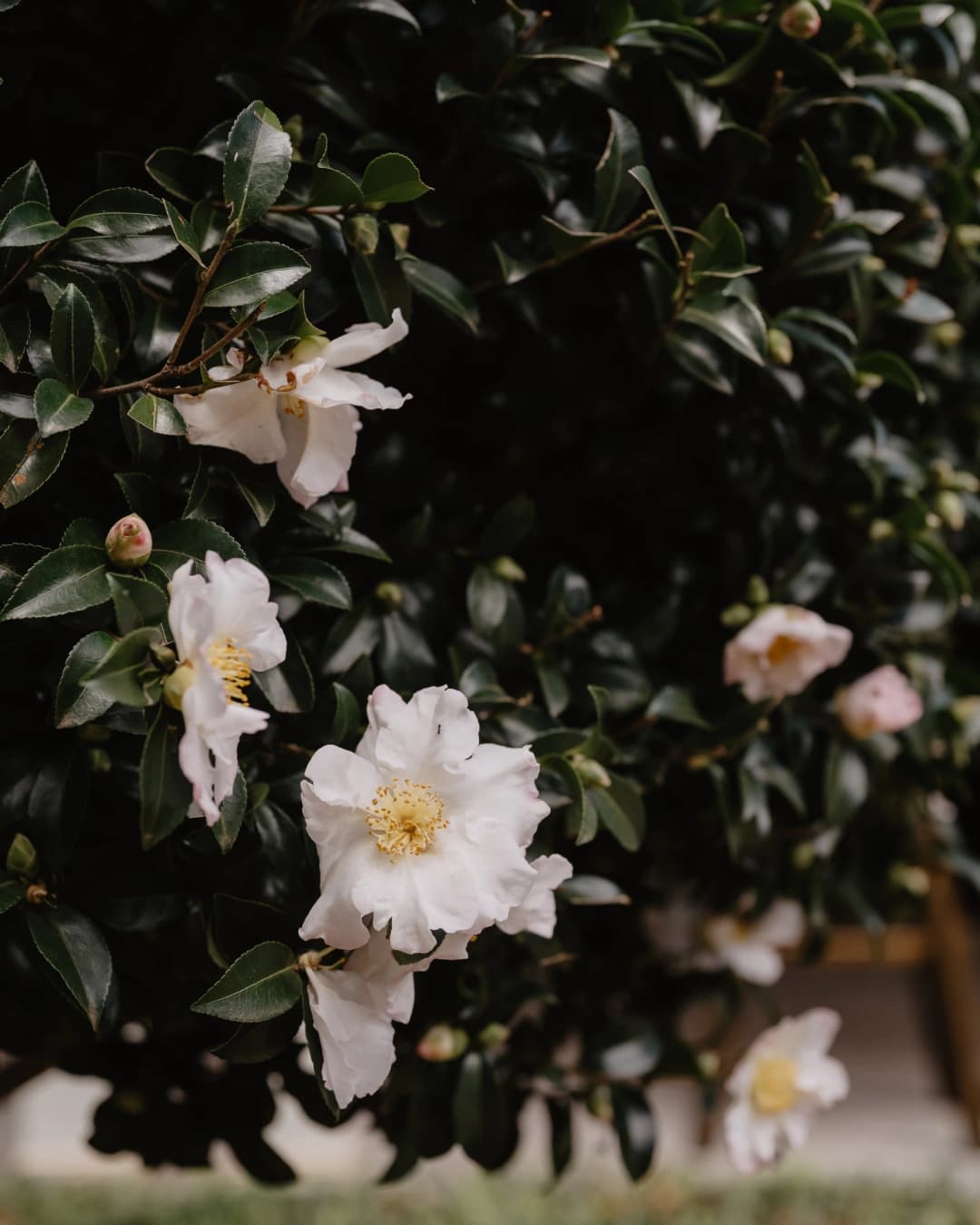
This is the world we got used to. And somewhere along the way, a quiet rebellion began.

The phone-free wedding ceremony is emerging as one of the most genuinely luxurious statements a couple can make in 2027. Not because it's expensive. Not because it signals status through material means. But because it is asking for something genuinely scarce: your undivided, unmediated attention.
"In an age of infinite distraction, attention is the ultimate luxury good."
SCARCITY DRIVES LUXURY
The logic of luxury has always tracked with scarcity. For most of history, that meant materials — silk, gold, truffles, land. Then it shifted to craft: things made slowly, by hand, with skill that couldn't be replicated at scale. In recent decades, the frontier moved again, toward experience. The thing you cannot buy on Amazon, cannot have delivered in two hours, cannot replicate on a screen.
Presence — genuine, collective, eyes-up presence — now belongs to this category. When you walk into a ceremony where every person in the room is actually there, it registers as remarkable. Almost disorienting, in the way that all genuine luxury is disorienting: you didn't realise how much you'd missed it until you felt it.
THE GUEST IS RETURNED TO WITNESS
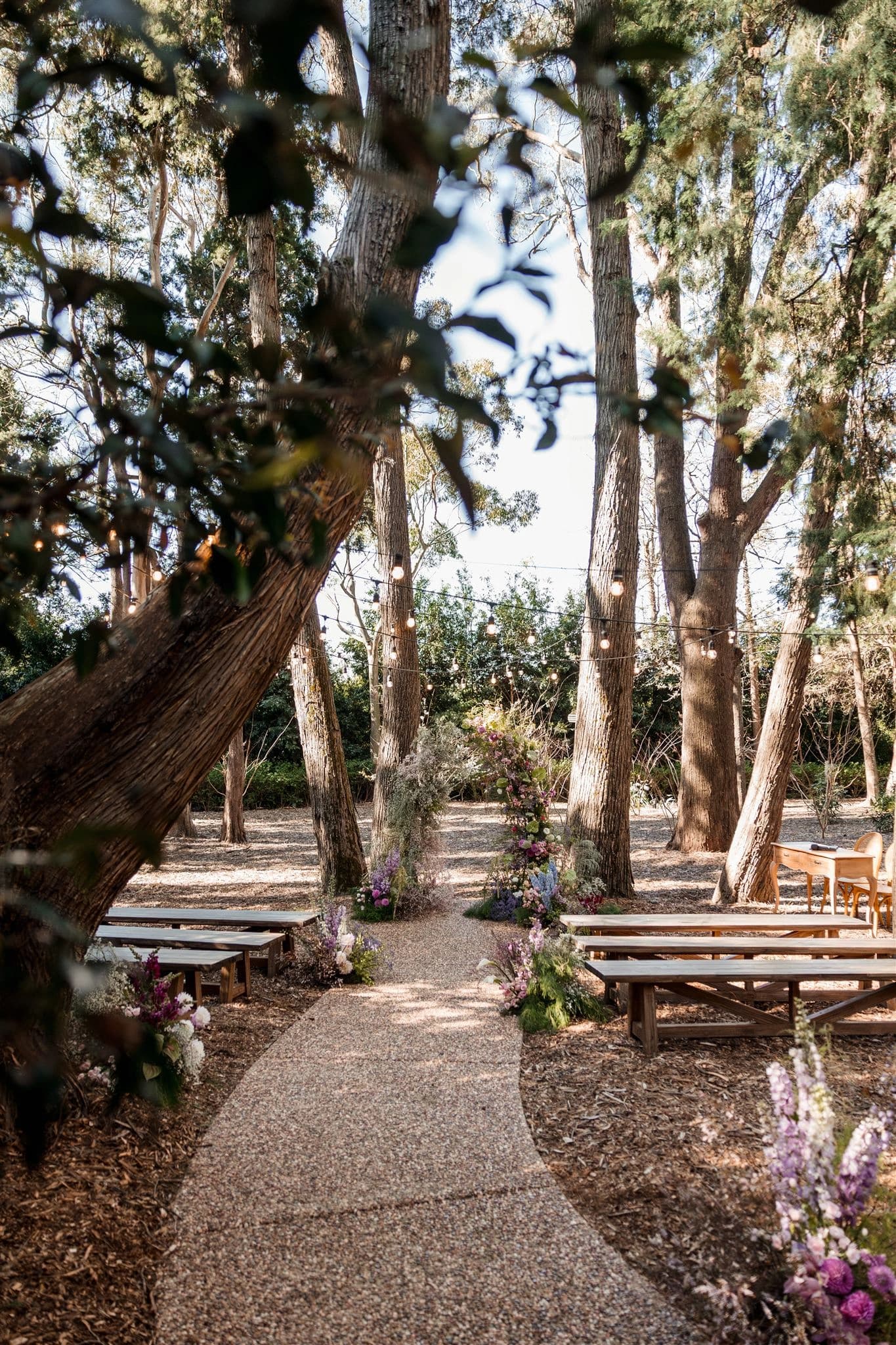
There is an older word for what a wedding guest is supposed to be: a witness. Someone who shows up, pays attention, and can attest that this thing happened — that these two people stood here and meant it. Not someone who captured it for a story that disappears in 24 hours.
The smartphone subtly demoted that role. Guests became documentarians of a ceremony already being documented by professionals. The act of photographing something became a way of feeling present to it while quietly deferring the actual experience to a later viewing — a viewing that, for most guests, never comes.
“Asking guests to put their phones away doesn’t make the day any less meaningful. If anything, it brings people back to what they were always there for — to be genuine witnesses to something that matters.” — Nell, Gabbinbar Wedding Planner
A phone-free ceremony reverses this. It restores guests to their original function, and in doing so, makes the ceremony feel more serious, more intimate, more weighted. These are precisely the qualities that the language of luxury has always chased.

THE PHOTOGRAPHY BECOMES RARER, AND THEREFORE MORE VALUABLE
When only the hired photographer has a camera, something interesting happens to those images. They become the record — not one record among thousands of competing iPhone angles. They carry the full weight of the day, undiluted.
This is, again, the logic of scarcity. Fewer images, each one meaning more.

WHERE THE TAKE GETS COMPLICATED
No cultural idea is clean, and this one has its fault lines. A blanket phone policy, communicated poorly, can read less like an invitation into something sacred and more like a couple policing their guests — a subtle performance of control dressed up as intentionality. The framing matters enormously.
There are also legitimate objections. Guests who rely on phones for medical reasons, for managing anxiety, for caregiving responsibilities, deserve consideration and not a one-size policy.
And there is always the risk that the gesture tips from meaningful into precious. The couples who do this well are the ones who make it feel like a gift — we want you to be here with us, fully — rather than a rule. The ones who do it poorly make it feel like an aesthetic preference elevated to moral principle.

HOW TO ACTUALLY SAY IT WITHOUT SOUNDING LIKE A CONTROL FREAK
The difference between a phone-free ceremony that feels warm and one that feels cold comes down entirely to how you ask. Most couples who get it wrong lead with the rule. The ones who get it right lead with the why — and more specifically, with what they're inviting guests into, not what they're being kept from.
The wedding website is the right place to set the tone. Something like: "We've asked our photographer to capture the day so that you don't have to — we'd love for you to be fully with us during the ceremony." That's it. No policy language. No "please refrain from." You're framing it as a gift to them, which is what it genuinely is.
The officiant can reinforce it in the opening — briefly, warmly, once. A line like "Before we begin, the couple has one request: be here with them. Cameras down, phones away, eyes forward." Humor works too. What doesn't work is a long explanation that makes guests feel they're being managed rather than welcomed.
A small printed card on each seat can carry the message without anyone having to say a word. Couples who include a note about the reasoning — "so every face in our photos is looking at us, not at a screen" — report that guests respond to it almost as a piece of the ceremony itself. It sets an intention. People arrive already in a different mode.
What you want to avoid: signage that feels like airport security instructions, repeated announcements, or any framing that implies you don't trust your guests. If the ask is made once, kindly, with a real reason behind it, most people will honor it — and many will thank you for it afterward.
BUT THE INSTINCT IS RIGHT
Strip away the edge cases and the tone problems, and the underlying insight holds: we live in a world of relentless, engineered distraction, and choosing — collectively, for one hour — to be somewhere without it is a genuinely radical act. It costs nothing and requires everything.
That is, in the end, what the best luxury has always offered. Not objects. Not even experiences, exactly. But the feeling of being fully inside a moment that will not come again.
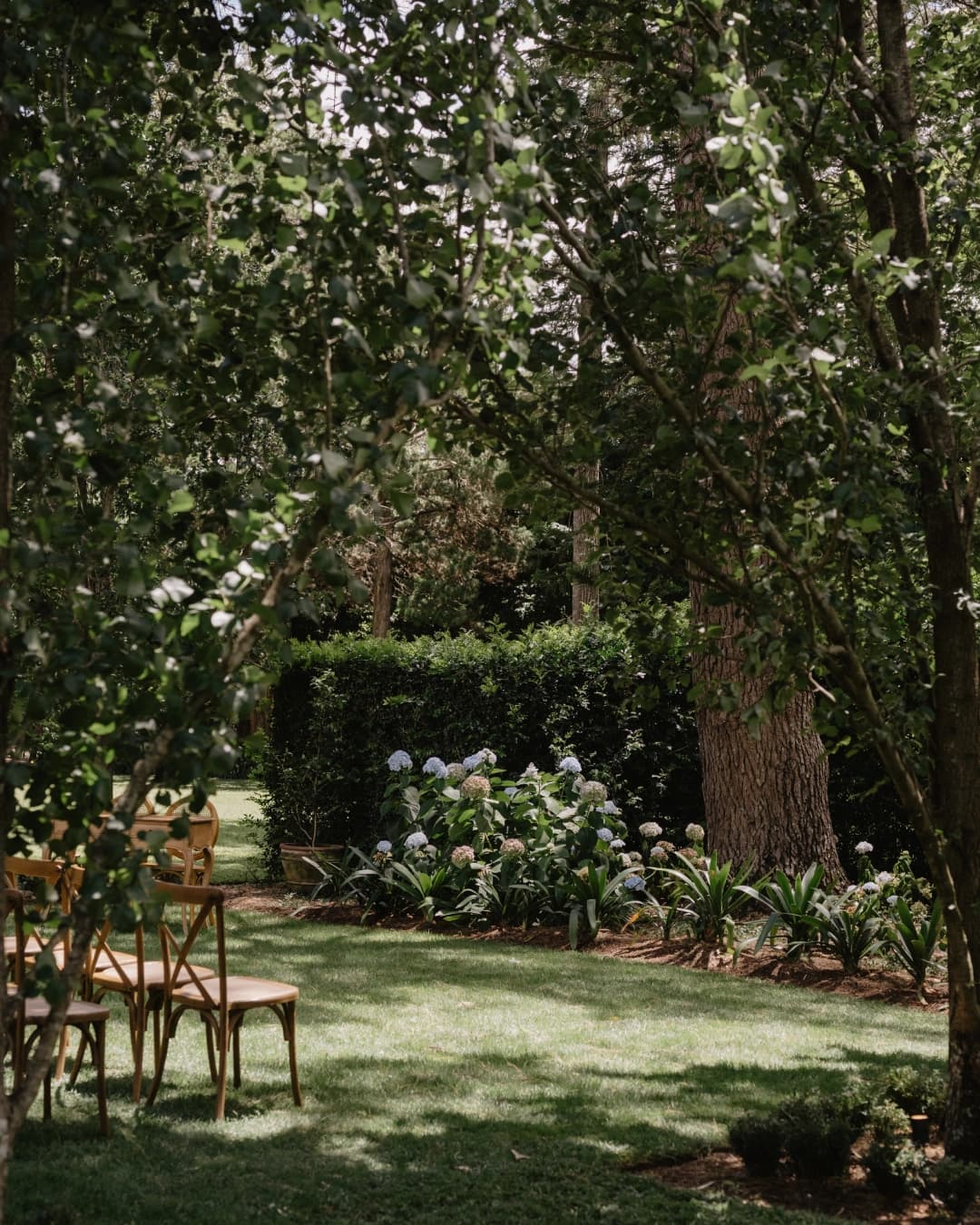
A room (or garden) full of people who are actually present. Eyes up. Hands empty. Witnessing something real.
That's not a trend. That's an heirloom.
If you’re beginning to picture your own ceremony taking shape, you can explore the spaces and possibilities at Gabbinbar.